Fibre Optic Cable Guide: End-Emitting vs Side-Emitting
If you are researching fibre optic cable for a project, you have probably noticed that there are several different types available. The two main categories are end-emitting and side-emitting, and each one produces a completely different lighting effect. Choosing the wrong type means the finished result will not look or perform the way you intended.
This guide breaks down the key fibre optic cable types, explains how each one works, and helps you match the right cable to your application.
How fibre optic cable works
Fibre optic cable does not produce light on its own. It transmits light from a separate LED light source called an illuminator (also known as a light engine). The cable is made from PMMA (polymethyl methacrylate), a flexible optical-grade acrylic that carries light along its length with very little loss.
Because the cable only carries light, there is no electricity at the point where the light appears. That makes fibre optic cable inherently safe for wet areas, pools, children’s environments, and anywhere you want to eliminate electrical risk at the light point.
End-emitting fibre optic cable
End-emitting cable is the most common type. Light enters one end of the fibre and exits from the opposite end as a small, bright point. The sides of the cable stay dark.
Think of it like a torch beam travelling through a tube. The light only appears at the tip.
What end-emitting cable is used for
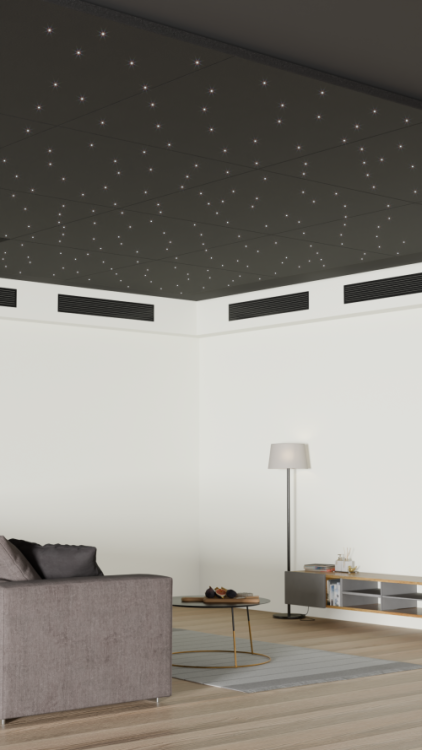
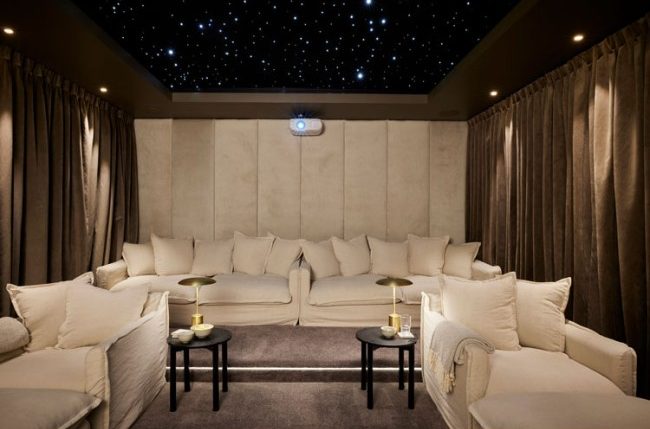
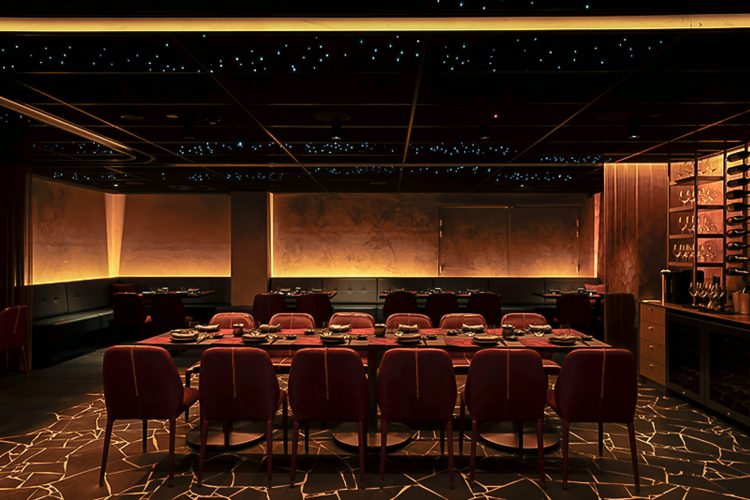
End-emitting fibre is the foundation of every star ceiling, constellation wall, and fibre optic downlight installation. Each strand of fibre creates one point of light, so a star ceiling with 200 stars uses 200 individual fibre strands, all fed from a single illuminator.
Common applications include:
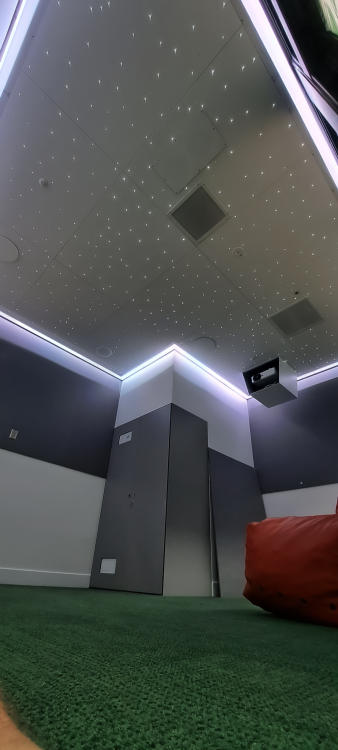
- Star ceilings in home theatres, bedrooms, cinemas, restaurants, and hotel lobbies. Multiple fibre diameters are mixed together to create a realistic night sky with stars of varying brightness. For a full breakdown of how these installations are built, see our guide to fibre optic star ceilings.
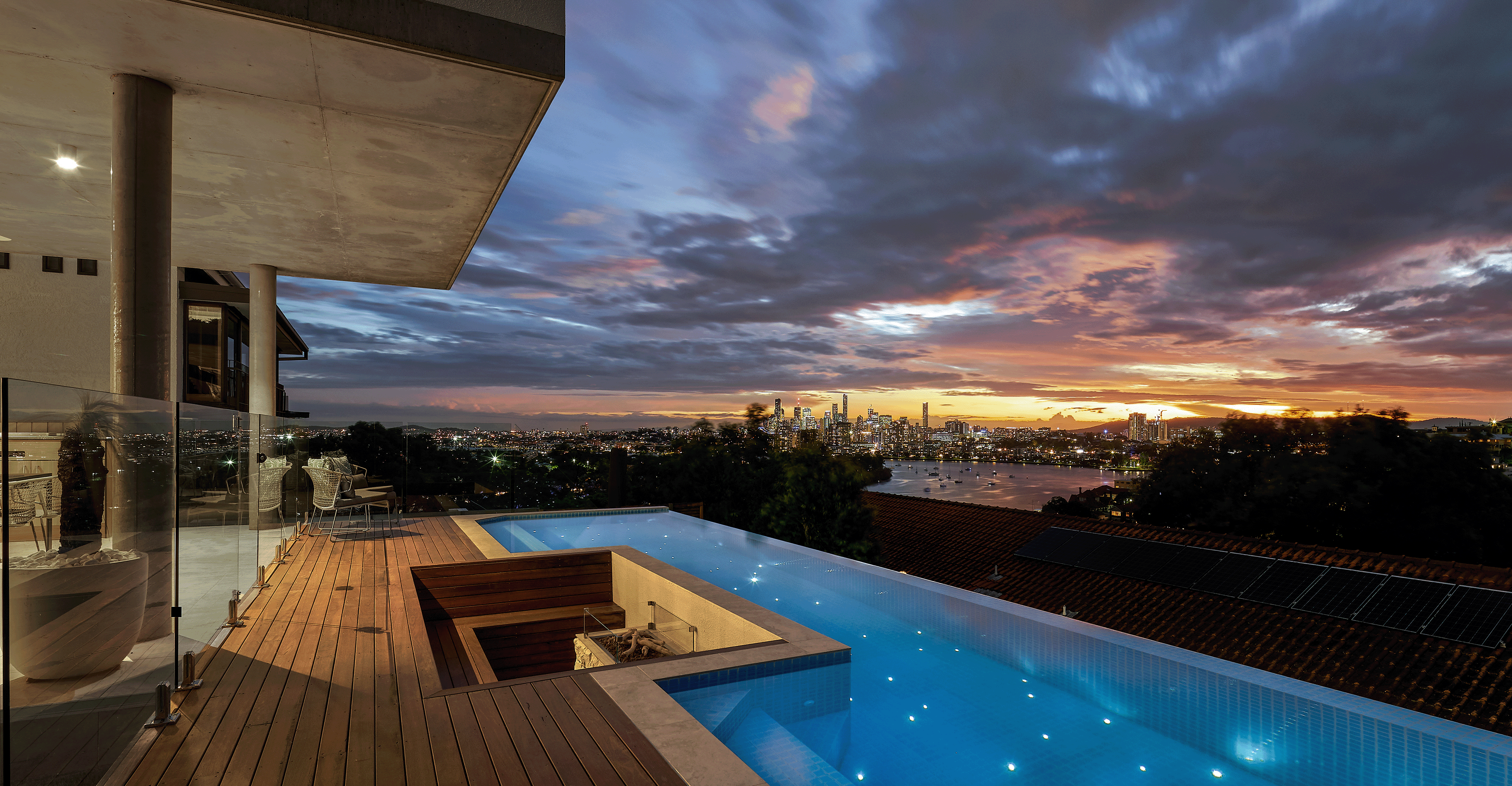
- Pool floors and walls where individual light points are recessed into tiles or paving using stainless steel fittings.
- Sensory rooms in schools, hospitals, and aged care facilities. Fibre bundles and curtains provide safe, tactile light sources for calming and therapeutic environments.
- Signage and display where individual points of light are arranged into patterns, logos, or decorative features.
Available diameters
LightEFX supplies end-emitting single-core bare fibre cable in seven diameters: 0.50 mm, 0.75 mm, 1.00 mm, 1.50 mm, 2.00 mm, 2.50 mm, and 3.00 mm.
For star ceilings, 0.75 mm and 1.00 mm are the most popular choices. They produce a realistic star effect and are easy to thread through panels or plasterboard. Larger diameters (1.50 mm to 3.00 mm) create brighter, more prominent light points and are often used for feature stars, downlight fittings, or applications where the light needs to be visible from further away.
The 0.50 mm fibre is the finest option. It produces a subtle, pinpoint glow and is useful for dense star fields where you want hundreds of tiny points rather than a few bright ones.
Side-emitting fibre optic cable
Side-emitting cable works differently. Instead of light appearing only at the tip, the cable is engineered so that light escapes along its entire length. The result is a continuous, glowing line of light, similar in appearance to neon or LED strip lighting but without any electricity in the cable itself.
What side-emitting cable is used for
Side-emitting fibre is specified wherever a continuous line of light is needed, particularly in wet or outdoor environments where electrical safety matters.
- Pool perimeters where a glowing outline defines the edge of the pool. The cable is chlorine and saltwater resistant, and because there is no electricity in the cable, it is inherently safe for use in and around water.
- Architectural edge lighting for outlining building facades, columns, archways, and landscape features.
- Signage lettering where the cable is bent to form letters or shapes, producing a clean neon-like glow.
- Garden and landscape borders to define paths, garden beds, or water features with a soft line of light.
Side-emitting cable options
LightEFX offers two side-emitting cable configurations:
Multi-core side-emitting strip light is available in three outer diameters: 4 mm, 8 mm, and 18 mm. The cable contains multiple fibre strands bundled together inside a clear, UV-protected sheath. Larger diameters produce a brighter glow. All sizes are 360-degree emitting, meaning the cable glows evenly around its entire circumference.
Wire tension side-emitting cable is a 13.50 mm diameter cable with an internal steel wire core. The tension wire allows the cable to be suspended between fixing points for hanging light features, crystal installations, and long-span applications up to 30 metres. The wire carries the weight; the fibre carries the light.
End-emitting vs side-emitting: quick comparison
| Feature | End-emitting | Side-emitting |
|---|---|---|
| Light output | Point of light at the tip | Continuous glow along the length |
| Visual effect | Individual stars, dots, or spots | Neon-like line or edge glow |
| Core use case | Star ceilings, downlights, sensory rooms | Pool perimeters, signage, edge lighting |
| Construction | Single-core bare fibre | Multi-core bundled in clear sheath |
| Diameter range | 0.50 mm to 3.00 mm | 4 mm to 18 mm (strip), 13.5 mm (wire tension) |
| Pool safe | Yes (with appropriate fittings) | Yes (chlorine and saltwater resistant) |
| Sold by the metre | Yes, from $1.16/m | Yes, from $7.98/m |
Pre-terminated fibre bundles
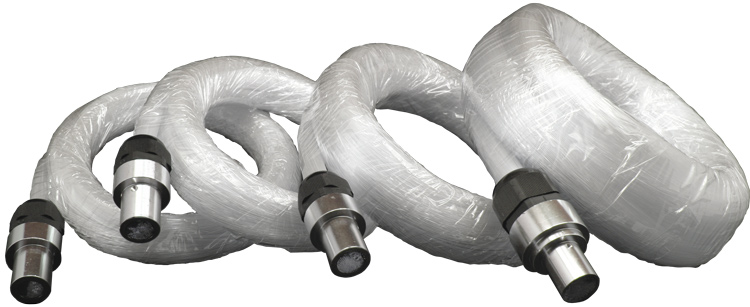
If you are installing a star ceiling and want to skip the cable termination step, LightEFX also supplies pre-terminated fibre bundles. These are end-emitting fibre strands that are factory-finished with a common end that plugs directly into a LightEFX illuminator. You choose the strand count and length, and the bundle arrives ready to install.
Pre-terminated bundles are a good choice for DIY star ceiling projects, car headliner builds, and smaller installations where you want the simplest possible setup.
How to choose the right cable for your project
Start with the effect you want to achieve:
Individual points of light (stars, dots, downlights) → End-emitting cable. Choose your diameter based on how bright you want each point. Mix diameters for a more natural star ceiling effect.
A continuous line of light (pool edge, lettering, architectural outline) → Side-emitting cable. Choose your diameter based on how bright the line needs to be and how tight the bends are in your layout.
A suspended glowing feature (hanging installation, crystal chandelier) → Wire tension side-emitting cable. The internal wire takes the structural load so the fibre does not need to support its own weight.
A quick star ceiling kit (home theatre, bedroom, car headliner) → Pre-terminated bundles. No cutting or terminating required.
If you are still unsure, get in touch. Tell us the application, the space, and the visual effect you are after, and we will recommend the right cable type and diameter.
Buying fibre optic cable by the metre in Australia
One of the most common frustrations when sourcing fibre optic cable is being forced to buy full rolls or pre-set kit quantities. If your project needs 23 metres of cable, you should not have to buy a 50 metre roll and waste the rest.
LightEFX sells all fibre optic cable by the single metre, with 1 metre increments and no minimum roll purchase. Whether you need 1 metre for a repair or 500 metres for a commercial fit-out, you order exactly what you need and only pay for what you use.
All cable is stocked in our Australian warehouse and dispatched promptly. No waiting on overseas shipments.
What else do you need?
Fibre optic cable on its own does not produce light. Every installation also needs:
- An illuminator (light engine) to generate the light. LightEFX supplies LED illuminators from 3W for small feature projects up to 130W DMX-controlled units for large commercial installations. RGB colour-changing, warm white, and tuneable white options are available.
- Fittings to terminate and mount the fibre. Stainless steel fittings are available for paver installations, pool walls, and surface-mount applications.
- A control system if you want colour changing, dimming, or automated lighting scenes.
LightEFX supplies the complete fibre optic lighting system from cable through to controls. One supplier, one point of contact, and full compatibility across every component.
Browse the full fibre optic cable range, or contact us to discuss your project requirements.